Good outdoor rooms in Pasadena strive all year. Winters are cool but rarely extreme, spring comes early, and summer season nights settle into a dry glow that begs for a fire. Done right, an outdoor fireplace on a paver patio area turns the space into an everyday hangout rather than a once-a-month novelty. The trick is matching a fireplace's mass, material, and mechanics to the home's style and to the method individuals really live in the yard.
I have actually created and built outdoor patios and fire features throughout the San Gabriel Valley enough time to see what lasts and what gets removed within a few years. The distinction hardly ever boils down to visual appeal alone. It is almost always the relationship in between fireplace positioning, wind and smoke habits, drain under the pavers, and the method seating and sidewalks knit the yard together. Consider the details up front, and the patio installation pays you back every evening.
Where a fireplace belongs on a Pasadena lot
Pasadena parcels been available in all shapes, but a few site patterns repeat. Numerous prewar homes have long, narrow backyards with a mature oak or jacaranda somewhere in the middle. Mid‑century residential or commercial properties frequently have generous side lawns. Spanish Revival bungalows enjoy a front or interior yard. Each condition favors a different fireplace placement.
If you prepare the fireplace as the focal point, keep these realities in view. Initially, dominant wind in much of Pasadena slips out of the west to east in the afternoons. A wood‑burning fire facing west tends to prepare much better than one that faces into the wind. Second, Los Angeles County and the South Coast Air Quality Management District concern seasonal no‑burn signals. If you expect to light wood daily, style in a gas burner so you have a tidy choice on limited days. Third, neighbors sit close on some lots. A tall chimney with a stimulate arrestor and sufficient setback keeps the peace and the cinders where they belong.
I often pull the fireplace off a home wall by 10 to 15 feet, then angle it to frame a view line to the San Gabriels or a specimen tree. That angle assists smoke lift past seating, and it lets the paver field broaden naturally so chairs do not feel stuffed into a straight line. On corner lots, a double‑sided unit can turn a personal privacy problem into an asset, creating a heat source for 2 zones while blocking views into the yard.
Masonry vs modular: picking the best build
There are 3 reliable paths to an outdoor fireplace: full masonry building and construction, modular kits faced in stone or brick, and custom metal chassis with masonry cladding. Each can sit on interlocking pavers, but the base, weight, and detailing vary.
A hand‑built masonry fireplace is the most versatile. A proper firebox with firebrick, flue tile or stainless liner, and a framed chase sized to draft well can swallow long nights and heavy usage. If your home has historical brickwork, matching the bond, mortar color, and joint profile makes the entire patio area appear like it has actually constantly been there. The trade‑off, naturally, is weight and cost. A full masonry structure can tip past a lot, sometimes a number of lots. The paver contractor should develop a footing independent of the paver base, frequently a reinforced concrete pad tied into compressed subgrade. Expect a longer lead time, however years of service.
Modular sets bridge the gap. They show up in block modules that assemble quickly, then accept a face of brick pavers, stone veneer, or stucco. Draft performance differs by brand, yet many work magnificently when you appreciate clearances and keep the chimney above nearby rooflines or tall hedges. Their greatest strength is predictability. Measurements are repaired, hearth height is understood, and gas log sets can be ordered to fit. That simpleness lets patio installation move fast.
Custom metal chassis with masonry cladding are the lightest choice. They shine on roof decks or where soil conditions constrain the footing. If you pursue this route, choose a chassis rated for outdoor use, with a rain cap matched to the flue. The face can be dressed in natural stone pavers cut as veneer, or in brick slips that echo the primary house.
Fuel choices that impact design and comfort
Wood or gas is not just a visual option. It alters clearances, hearth depth, and the whole experience of the patio.
Wood brings the sound, the fragrance, and the radiance that sells the idea of a hearth under the stars. It also requires storage. I like to carve a low wood cubby into a seat wall or flank the fireplace with a cabinet that deals with far from prevailing wind. Keep dry wood a minimum of 3 to 5 feet from the firebox opening, and do not wedge it under the hearth where stray coal might fall.

Gas is clean, quick, and manageable. In tight Pasadena lawns, a gas system makes good sense due to the fact that it allows smaller sized chimneys and less smoke drift. If you plan a gas log set, pull a license for the gas line and design the patio area with a secured trench course from the meter. I aim for a range of 150,000 to 300,000 BTU for the majority of outside fireplaces, enough to toss heat past the very first row of seats. For hybrid usage, think about a wood‑rated firebox with a gas starter. It lights wood reliably and gives you options during no‑burn advisories.
The paver base, and why it matters more than the face
An outdoor fireplace can be gorgeous and still fail if the patio area under it moves. The greater Pasadena area sits on soils that alternate in between alluvial gravels and clays that swell with winter season rain. The base under interlocking pavers needs to counter both.
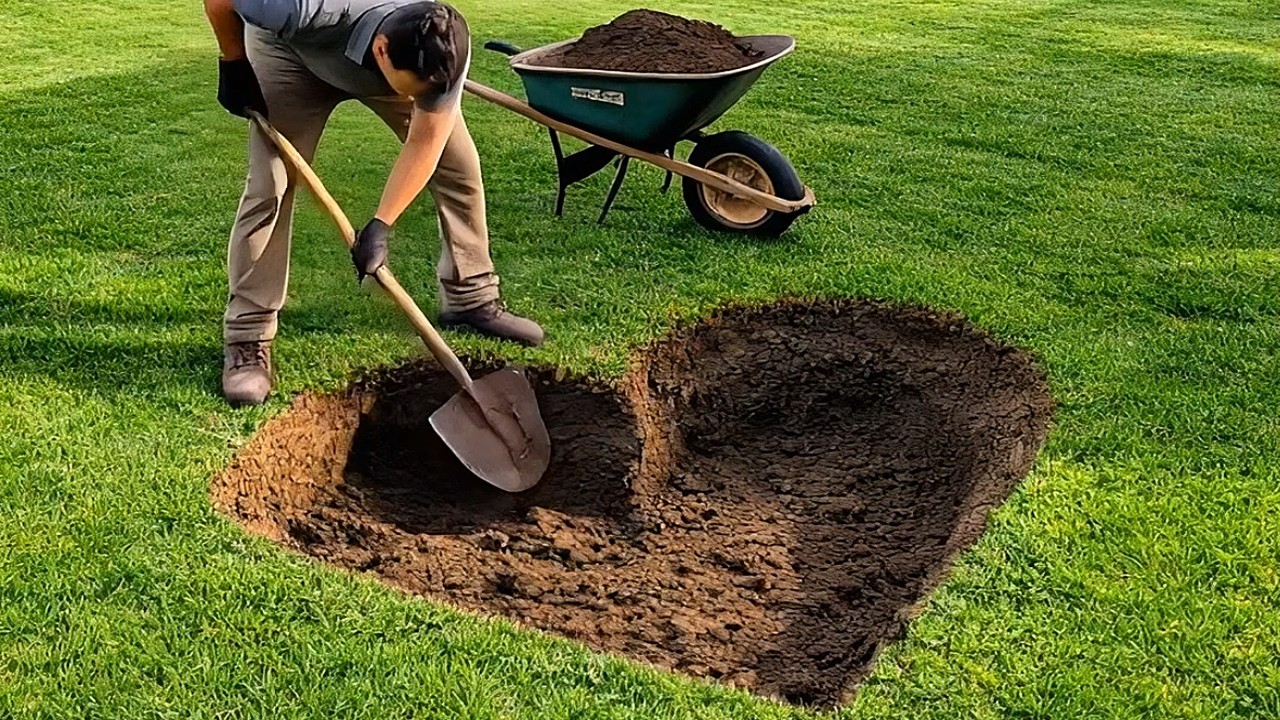
I specify a subgrade compressed to a minimum 95 percent relative compaction, then 4 to 8 inches of Class 2 roadway base compressed in thin lifts. Over that, a 1‑inch layer of concrete sand gets the pavers. For a fireplace, do not set the structure directly on the pavers. Pour a different footing that bears upon the compacted base or native soil, then lace the pavers tight to the hearth. An expansion joint where masonry fulfills pavers helps absorb minor movement.
For jointing, polymeric sand works well for concrete pavers and numerous brick pavers. It locks grains and withstands weeds. In dubious backyards under oaks, I choose an open‑graded joint with tiny gravel and a permeable base. Water disappears rapidly, and the outdoor patio dries faster after winter season storms.
Concrete pavers provide the cleanest geometry. They can be found in abundant color varieties now, from warm limestone tones that match Spanish architecture to charcoal edges that flatter a mid‑century profile. Brick pavers have beauty and stay cool underfoot in summer season. Natural stone pavers, like porphyry or limestone, feel high‑end and patinate well, though they need tighter base prep because thickness varies. I often mix formats, utilizing concrete pavers for the main field, then a soldier course of brick to get the trim color of the home.
If you choose the smallest joints, interlocking pavers with crisp edges win. Toppled profiles look relaxed, better for Craftsman and cottage settings. The best paver patio styles for Pasadena homes generally respect your house first, then layer in contrast: light stone against a dark stucco wall, or warm brick versus a pale siding.
Styles that match Pasadena's architecture
I have actually learned not to combat the house. When a 1928 Spanish Revival fulfills a slick, monolithic concrete hearth, the patio can seem like a high‑end restaurant dropped into a yard. You can make that work, however it takes discipline. The majority of the time, it is much better to echo a home's clues.
For Spanish and Mediterranean homes, a stucco fireplace with clay tile accents and a soft, arched opening checks out right. Usage natural stone pavers or concrete pavers in a limestone color, then lay a brick trim that matches window arches or deck actions. Replace heavy mantels with a basic tile band and a copper cap. If you want a touch of grow, inset a hand‑painted tile panel above the firebox.
Craftsman bungalows long for masonry sincerity. A brick fireplace in a typical bond, with a slightly raked joint and a generous hearth at 17 to 19 inches high, becomes a natural bench. Match it with brick pavers or concrete pavers that lean warm, and let planting crowd the edges a bit. Seat walls at 18 inches function as casual dining perches.
Mid century modern homes want line and percentage. A low, broad firebox in a smooth stucco or sharpened basalt face, flanked by a direct bench, keeps the ambiance tidy. Charcoal concrete pavers in a big format set the modern-day field. Keep accessories very little. The fireplace ends up being a punctuation mark, not a sculpture garden.
Tudor and Colonial Revival houses gain from balance. A centered chimney mass with paneled brick piers and a keystone arch works well. Use stone walkways to draw a formal axis out of the back door. If the lawn slopes, low retaining walls that function as seat walls produce terraces and keep the fireplace grounded.
How retaining walls and seat walls anchor the space
Yards in Pasadena hardly ever sit flat. Even a modest 18‑inch rise across an outdoor patio can make furnishings feel off balance and gather water on the low side. This is where retaining walls earn their keep.
I tend to mix functions. A seat wall at 18 to 20 inches that holds back 12 to 24 inches of grade feels deliberate and offers visitors a location to linger near the fire. Stone retaining walls add texture and let the plantings spill. If you prefer a crisp look, creative block retaining walls in Pasadena can action in with color‑matched caps that echo the pavers. Where walls exceed about 3 to 4 feet, involve a retaining wall contractor in Pasadena. For retaining wall installation in Pasadena CA, crafted illustrations are typically sensible, and drainage behind the wall is non‑negotiable. Stone retaining walls experts in Pasadena LA will insist on a perforated drain and free‑draining backfill, which spares you the heartbreak of a moist patio corner after every storm.
Tie sidewalks into the composition so guests have more than one way to approach the fire. Stone walkways in a garden curve easily around plantings. A straight brick walk frames official plant beds. If you are searching for Ridgeling outdoor living garden pathway ideas, see how minor width modifications at nodes make the area breathe. Walkway installation need to anticipate future foot traffic from the driveway, garage, or a side gate, not just from the back door.
Five tested fireplace and seating layouts
- Corner hearth with fan seating: a 45‑degree fireplace tucked into a patio corner, with chairs arcing in a 10 to 14 foot radius. Centerline focal wall: a fireplace straight opposite the main door, flanked by seat walls, good for symmetrical homes. Double sided divider: a see‑through unit that warms dining on one side and lounge seating on the other. Sunken conversation pit: a reduced pad by 10 to 12 inches with a low wall, secured from wind, with the fireplace opening somewhat greater to preserve draft. Kitchen buddy: a fireplace at the end of an outdoor kitchen run so the chef and guests share heat and sightlines.
Each pattern has strengths. The corner unit saves area and enables deep planting on two sides. The centerline variation pictures cleanly and pleases customers who desire procedure. The double‑sided system helps little lots live larger. Sunken seating controls wind and noise. The kitchen buddy turns the whole patio into one constant space. A seasoned patio contractor can sketch these options to scale versus your real lot lines and recommend clearances that feel generous without blowing the budget.
Marrying the fireplace to an outside kitchen or pit
Pasadena outside kitchen ideas often start with a grill island, then become a counter with a sink, a fridge, and shade. When a fireplace joins the structure, believe in regards to zones. Heat from a fireplace radiates out roughly 8 to 10 feet with real impact, often more with gas units showed up. If you put a table because radius, winter evenings hum. If you tuck the cooking area within 5 feet of a wood‑burning firebox, cabinet faces can age too fast. I prefer 8 feet or more between a wood fire and any home appliance deals with, better if the fireplace is gas and vented.
Fire pits have a place too. A low pit with a wide coping invites individuals to pull their chairs tight. On family‑heavy patio areas, I like a devoted fire pit installation at a distance from the fireplace, usually 12 to 20 feet away, so teenagers and kids have their own zone while grownups hold the hearth. Connect both features into the same paver palette for visual unity, but vary the patterns so each zone feels distinct.
Permits, utilities, and the rhythm of a build
Pasadena's allowing is straightforward if you prepare ahead. Any gas line will need an authorization and pressure test. Masonry fireplaces might activate review for obstacles and height. If you reside in a historical district, the exterior appearance may require extra examination. Excellent patio installation groups map all of this before demo begins.
The sequence matters. Underground energies get laid initially, including sleeves for low‑voltage lighting under the pavers. The fireplace footing puts next, then base preparation throughout the patio. Pavers go down, cuts get made, and the hearth face receives cladding last so sawdust and slurry do not stain fresh veneer. I have actually viewed hurried teams stain pale limestone with damp saw spray that never rather came out. Slow is smooth here.
Expect a timeline of 3 to 8 weeks depending upon scope. A modest modular fireplace with a 400 to 600 square foot paver field can cover in under a month if evaluations move rapidly. Include retaining walls, a full outdoor kitchen, and brand-new drainage, and the schedule extends. Communication in between you and the paver contractor is the difference between a smooth job and a long spring without a backyard.
A quick preparation list that saves headaches
- Decide fuel and venting early, then run the gas and electrical plan before base prep. Mark seating radii on the ground with paint or hose pipe to evaluate convenience and sightlines. Choose pavers and veneer together so tones and textures harmonize. Confirm no‑burn day guidelines and prepare a gas option if you like regular fires. Reserve space for wood storage, tools, and path clearance around chairs.
Teams like Ridgeline Outdoor Living paver installation experts use comparable checklists so field teams understand precisely what they are constructing. If you already have a designer, keep them in the loop while you source materials. If not, speak with a patio contractor who drainage solutions Pasadena can sketch information and rate options in genuine time.
Budgets, varieties, and sincere trade‑offs
Costs swing with materials, access, and structure. In the Pasadena market, a modular outdoor fireplace dealt with in stucco or thin brick typically lands between $6,000 and $14,000 installed, not counting the gas line. A complete masonry fireplace with custom-made brick or natural stone, a taller chimney, and wood storage can reach $18,000 to $30,000 or more. Gas lines frequently include $1,000 to $3,000 depending on length and meter capability. A high quality paver patio in concrete or brick typically runs $18 to $35 per square foot, while premium natural stone pavers can reach $40 to $60 per square foot. Retaining walls differ widely, yet lots of block or stone walls settle in the $35 to $60 per face foot range, more if curves, caps, or stairs get in the picture.
There are wise places to save. A modular kit with an upgraded face can look and perform like a customized build if the percentages are right. Concrete pavers with a sharpened surface simulate limestone at a friendlier price and hardscaping guide wear better under chair legs. Where budgets get strained, trim square footage at the edges instead of squeezing the main seating radius. Comfort beats expanse.
Maintenance that keeps the patio area looking sharp
Wood burning fireboxes benefit from a yearly sweep and a check of the spark arrestor, particularly if neighboring trees drop leaves. Gas systems need an easy cleaning and a glimpse at the burner and media. On the patio, blow debris out of joints after wind occasions, complement polymeric sand if it erodes in high traffic zones, and reseal natural stone pavers every couple of years if you wish to hold a crisp finish.
Drainage is the quiet guardian. After big rains, stroll the patio. If you see water that sticks around for more than an hour in the very same low area, ask your paver contractor to change that location. Compaction settles differently across a yard, and early corrections prevent long term problems.
Two task sketches from the field
An Artisan bungalow in Cottage Paradise had a narrow backyard with a 20‑inch grade change from home to fence. We designed a low stone retaining wall that acted as a seat, then set a brick fireplace at the back with a slightly arched opening and a copper cap. Concrete pavers in a warm buff filled the patio, cut in a single course of clinker‑style brick. The fireplace sat at a 30‑degree angle to the door, which pulled smoke far from the seating group on many evenings. We tucked wood storage into a specific niche on the leeward side, and a brick sidewalk sewed the patio to a side gate. The family utilized the area 4 nights a week the first winter season, which informed me the percentages were right.
On a sloped mid‑century lot near the Arroyo, the client desired a clean appearance and low maintenance. We constructed a modular, linear gas fireplace with a basalt face, then combined it with charcoal concrete pavers in a big format. A double‑sided design divided the lounge and a long dining table. Creative block retaining walls stepped the yard into three tiers without stealing width from the outdoor patio. Low, warm LED course lights traced stone walkways to a raised herb bed and a small office shed. The gas line came off a meter on the far side of your house, so we collaborated trenching before base prep. The outcome checked out uncomplicated, however it resided on cautious sequencing and respect for the wind that raked the website every afternoon.
Working with the right team
Patio design is part art, part choreography. A company that sees the entire photo gets rid of friction. If you choose a single source for patio installation and fire features, look for a paver contractor who can manage utilities, masonry, and hardscape grading in‑house. Numerous Pasadena property owners ask around about patio contractor suggestions, then welcome 2 or three groups to sketch ideas on site. Ridgeline Outdoor Living has earned attention in your area because they analyze details, and you can learn a lot from how they approach a design even if you are still shopping. If you want to research study first, search expressions like best paver patio styles for Pasadena homes and Pasadena outdoor kitchen ideas to collect images that match your architecture and how you in fact entertain.
For those taking on bigger modifications, such as stair integration or terracing, line up a retaining wall contractor in Pasadena early. When retaining wall installation in Pasadena CA is crafted, the paver field lasts longer, furniture sits level, and the fireplace remains true season after season.
Bringing it together
An outdoor fireplace that belongs on a Pasadena paver patio area does more than look excellent in photographs. It responses to smoke and wind, to the method friends pull chairs into a semicircle, to the slope that wants to pull a deck chair downhill, and to the low winter season sun that slips under an eave. Whether you choose brick pavers or concrete pavers, a full masonry hearth or a streamlined gas system, the very best results come from weaving information together. Place the fireplace to favor the breeze, build a base that will not budge, let sidewalks direct the feet that live there, and size the hearth so voices bring without shouting.
If you keep those concerns directly, you will light more fires. You will sit longer, even on the short cool days, and your patio will feel like the space your home was missing. And if you require a push to get started, a style talk to a skilled team like Ridgeline Outdoor Living, or any capable regional contractor who knows interlocking pavers and outdoor fireplace building, can turn a sketch into the warm center of your yard.
Business Name: Ridgeline Outdoor Living
Address: 845 E Walnut St, Pasadena, CA 91101, United States
Phone: (626) 469-5822
Ridgeline Outdoor Living
Ridgeline Outdoor Living is a Pasadena-based landscape design-build company serving Greater Los Angeles with custom outdoor living, hardscape, and drought-tolerant landscape solutions. The company specializes in patios, retaining walls, outdoor kitchens, drainage, hillside projects, and turnkey landscape construction, handling projects from design and permitting through final build and warranty.
845 E Walnut St, Pasadena, CA 91101, USA
Business Hours:
- Monday – Saturday: 8:00 AM – 6:00 PM
- Sunday: Closed
Follow Us: