Pasadena yards do a lot of work. They host family suppers under jacarandas, conceal from summer season heat behind hedges, and frame mountain views that never ever get old. An interlocking paver outdoor patio fits that rhythm. It holds up under shoes and chair legs, drains pipes during a rare rainstorm, shakes off heat, and tidies up with a broom. When designed and set up right, it looks as though it has always belonged there.
Over the last years structure patio areas across communities from Bungalow Paradise to San Rafael Hills, I have discovered that success originates from lining up 3 things: the ideal system, a setup procedure that respects your residential or commercial property, and design choices that fit Pasadena's mix of Spanish Revival, Artisan, and modern architecture. When those pieces come together, you get a patio that sets up rapidly and remains peaceful for years.
Why interlocking pavers exceed put concrete in Pasadena
Interlocking pavers, whether brick, concrete, or natural stone, rest on a compacted base and lock together through their shapes and the joint sand between them. Pasadena soil moves more than you might believe. Irrigation lines leak, tree roots broaden, and clay-heavy pockets swell a bit after the very first fall rains. A monolithic piece telegraphs every shift as a fracture. An interlocking system bends a hair at the joints and resets under foot traffic and small settlement.
The surface remains cooler too. Lighter colored concrete pavers and many natural stone pavers show more heat compared to a gray broom-finished piece. In full sun, that difference is the gap between barefoot and a quick dash to the shade. Upkeep swings in favor of pavers too. If a root heaves a corner over the years, a team can pull a couple of units, shave the bedding layer, and relay in an afternoon. With piece concrete, you are calling a demonstration saw and beginning over.
Drainage matters in Pasadena. In between drought years and short, heavy storms, an interlocking system with permeable joint sand or open-graded bed linen can alleviate surface water without asking much from your storm drains. In locations with tight lot lines, that can make the distinction with permitting.
What quickly, clean, trustworthy looks like on set up day
Speed without mess begins before a shovel hits dirt. A great patio contractor lines up clear staging, dust control, and access courses. For Ridgeline Outdoor Living paver installation experts, that typically means plywood runners over a lawn, a dedicated cutting zone with water-fed saws, and a roll-off set up to get here after demonstration and leave before the neighbors notification. The team moves like a small choreography.
Typical patio installation timing runs in practical varieties. A 300 to 500 square foot patio area with one curve and a single action frequently sets up in 2 to four days, weather allowing. Add an outdoor fireplace, a seating wall, or complex borders, and you extend to a week. With interlocking pavers, the majority of that time is preparation rather than setting the surface area. The base is the job. Get the grading wrong, and the outdoor patio informs on you with puddles. Undershoot compaction, and the edge wanders. When a group decreases to do paper easy things right, the payoff is speed later because nothing needs fixing.
I have actually seen patio areas go sideways since teams tried to save an hour. They avoided geo-fabric over expansive native soil, or they opened too much lawn at the same time and let the pet dog walk through the bed linen layer. On the flip side, the cleanest jobs I have watched followed a little set of habits like clockwork.
Here is the short variation that homeowners can acknowledge on their job:
- Utility locate before digging, proper demonstration, and clean subgrade staking Fabric where soil warrants it, compacted base in thin lifts, and inspected slopes Edge restraints installed before last compaction to lock the field Wet saw cuts at an included station, joints swept and compressed twice Full website rinse and magnet sweep, with spare pavers left on site
If your patio contractor works by doing this, days on site feel calm. The team knows where material lives, shipments show up in series, and clean-up every afternoon keeps next-door neighbors happy.
The build sequence, without the jargon
We start by mapping completed grades versus what already exists. Pasadena lots can have 2 to 6 inches of variation over a short run due to the fact that of settling near old footings or drip lines. If we pretend the yard is flat, we spend for it later on with a tall action at the door. Setting a criteria and measuring down through the brand-new paver thickness, bedding layer, and the compacted base locks in genuine numbers.
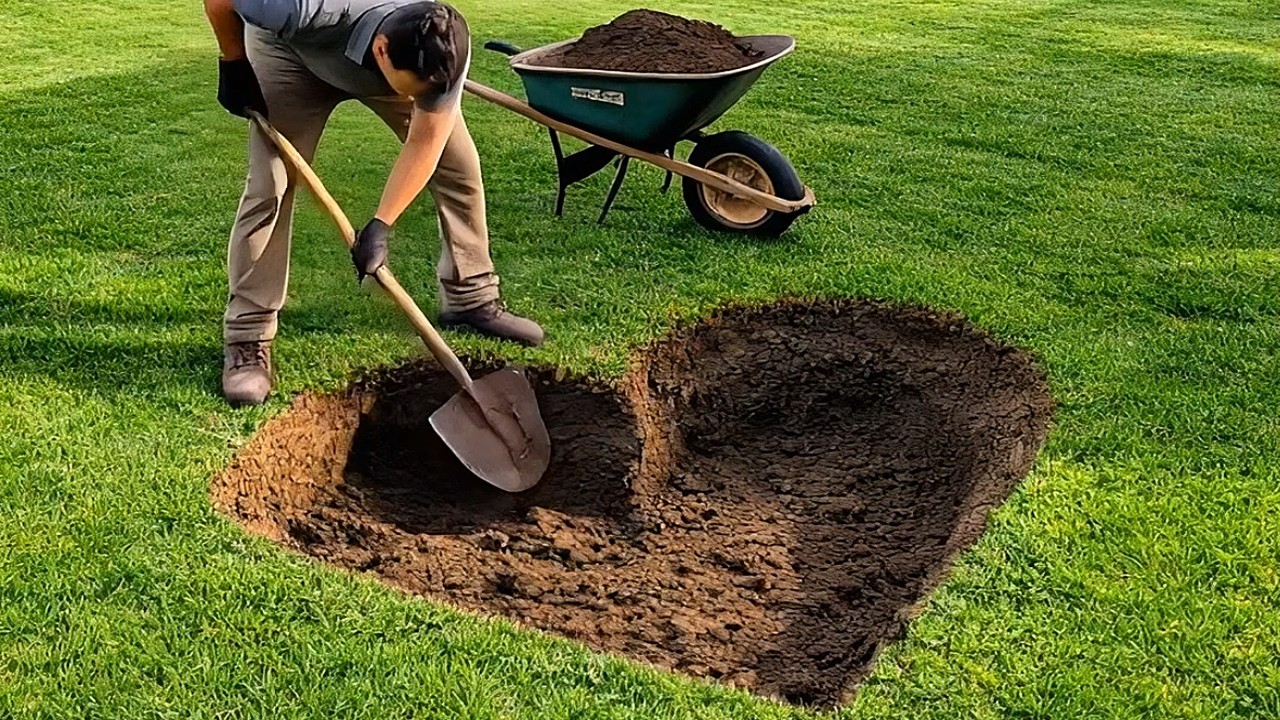
Demo is surgical, not a complimentary for all. For a lawn with recognized landscaping, we cut sod cleanly and save root balls of anything you want replanted. We mark irrigation and cap zones that cross the outdoor patio footprint. Poured concrete comes out in manageable panels to decrease sound and cracks in nearby hardscape. A tracked maker relocations spoil to a lined skip without chewing up a driveway.
Base prep is where patience conserves cash. In our location, a blended class 2 roadway base or open-graded aggregate works well depending upon whether we are constructing a standard or permeable patio area. We lay it in 2 to 3 inch lifts and compact it to 95 percent relative compaction, contacted a plate compactor and, on larger tasks, a spot test. The ended up base slopes at 1 to 2 percent away from structures. If a keeping wall ties into the outdoor patio, we build and backfill the wall initially to prevent sewing together 2 moving parts later.
Bedding material varies with the paver type. Concrete pavers and brick pavers normally rest on a 1 inch screeded layer of sand. Natural stone pavers, especially irregular flagstone, frequently benefit from a slurry set or a hybrid bed. An experienced paver contractor understands when to change course instead of require one technique on every material.
Setting pavers is a rhythm job. The team begins at a straight border, checks bond lines every few courses, and keeps cuts tight. Wet saws with containment keep silica dust off plants and patios. Polymeric sand sweeps into joints after the first compaction pass, then a 2nd pass settles whatever before last sweeping and activation. We wash with a low pressure fan to prevent cleaning the joint sand into the lawn.
Last details matter. Access points for irrigation pull through sleeves under the patio. Spare pavers match color lots and sit stacked in the side lawn. The last walk with you checks limits, pipe bib clearances, and the feel underfoot where 2 materials meet.
Matching Pasadena homes with the right paver style
Pasadena's architectural DNA runs deep, and patio areas should seem like continuations of the home rather than add-ons. The very best paver patio styles for Pasadena homes take hints from color, texture, and percentage while meeting the way a family uses the space.
For a 1920s Spanish Revival, warm terra-cotta tones and toppled edges fit the archways and ironwork. Brick pavers laid in a herringbone pattern can echo historic clay tiles without the slipperiness. A simple soldier course border in a somewhat darker mix frames the field and ties into stair treads. If your lot slopes, stone retaining walls built with a split-face block and a cap in a limestone or enthusiast tone appearance as though they belong beside stucco.
Craftsman cottages prosper on honest products and clear geometry. Concrete pavers in a modular ashlar pattern carry that simpleness forward. Think 2 or three sizes in a charcoal and granite mix that sets well with river rock, cedar, and painted trim. Low seating walls, ideally with a 12 inch cap for coffee cups, can pull double responsibility as planters for ferns and salvias. The scale matters. Bigger units minimize the visual busyness and offer the eye a place to rest.
Mid-century and modern homes gain from smooth surfaces and large-format slabs. Concrete pavers in 24 by 24 inches or 16 by 32 inches project calm, especially when separated by narrow joints. A direct gas fire pit installation in board-formed concrete or steel adds a clean focal point. Incorporating a Pasadena outdoor cooking area concept, like a stucco island with a porcelain or stone counter top, keeps the product language tight and honest.
Natural stone pavers have a home anywhere the landscape brings the load. In shaded gardens below oaks, irregular bluestone or quartzite feels cool and permanent. Jointing with a finer gravel enables moss to crest the edges and blur the lines in a year or two. Set those with stone walkways that wind through beds instead of slicing them, and you gain depth without clutter.
Brick, concrete, or natural stone pavers, and when to choose each
Material option balances spending plan, performance, and looks. Brick pavers provide traditional color and a moderate rate. They perform well under foot traffic and bring heat that pairs with clay tile roofs. The trade-off is size and format. Brick's smaller sized units can slow installation on large patios and result in more joints, which some clients love and others do not.
Concrete pavers bring the broadest scheme of sizes, textures, and colors. Manufacturers have actually pushed surface area technology in recent years, so you can get tidy modern pieces, rustic tumbled cobbles, or stone-look textures that stand up under chairs without breaking. Cost sits in the middle to upper middle, and lead times are generally short within Los Angeles County. For the majority of family outdoor patios, concrete pavers hit the sweet area of resilience and choice.
Natural stone pavers bring the most character and the highest material cost. They shine in settings where variance is a virtue, like a shaded dining nook or a swimming pool deck with high visual impact. Installation can take longer due to the fact that the pieces request more fitting. If you love the play of light over stone and your budget plan can absorb it, the outcome rewards daily.
Retaining walls that mix in and hold up
Many Pasadena lawns slope, sometimes carefully, in some cases enough that a flat outdoor patio desires help. Retaining walls do the heavy lifting, and they deserve as much attention as the surface area you walk on. A retaining wall contractor in Pasadena constructs to soil, not to looks alone. We overbuild footing depth when yards see watering from an uphill next-door neighbor or when the wall must keep back fill for a driveway. Setback blocks, geogrid reinforcement, and appropriate drain behind the wall turn a quite deal with into a long-term one.
If you prefer a timeless look, stone retaining walls crafted with natural veneer and a cast-in-place core read as vintage while fulfilling modern-day code. For tidy lines and quick timelines, creative block retaining walls in Pasadena make good sense. Modern segmental block systems are not the concrete block of memory. They interlock mechanically, bring textures from split-face to smooth, and cap with cut stone that feels finished.
On a recent task above Arroyo Seco, we cut a slope into 2 balconies. The upper level holds a small fruit orchard, the lower supports a concrete paver outdoor patio and an outdoor fireplace. We placed a 30 inch wall dressed in local stone, laid a French drain behind it, and tied the wall into a set of stone actions. The wall disappears into the planting, however the patio area has a calm, level plane. That is the goal. If you search for stone retaining walls experts in Pasadena LA, you will see a variety of surfaces. The difference lies behind the face where you can not see it. That is where skilled teams make their keep.
If your wall will sit over eight feet of kept height, expect crafted plans. Smaller walls still gain from thoughtful design, particularly when they curve around trees or interfaces with fences. For retaining wall installation in Pasadena CA, authorization requirements often depend on height and distance to residential or commercial property lines. A seasoned patio contractor will direct you through that without drama.
Walkways and garden paths that knit the backyard together
A patio area without great connections seems like a platform in a field. Walkway installation turns it into a network. The exact same interlocking pavers you utilize for the patio area can continue as stone walkways to a side gate or garden shed, but you are not locked into one material. Narrower garden courses benefit from smaller sized units or tighter joints so heels do not capture. In rich gardens, I like a stepping pad method with 24 inch concrete pavers surrounded by gravel. It drains, looks light, and permits rain to reach roots.
Ridgeling outdoor living garden path concepts typically combine a main path with a few diverging spurs that cause a bench, a tube bib, or a raised bed. These small branches invite you to use the backyard completely. The trick is proportion. Paths that are 36 to 42 inches broad feel comfortable for 2 people to walk side by side. Anything narrower matches a single person and reads as intimate.
Edge restraint on courses matters as much as on outdoor patios. Plastic or concrete curb concealed under mulch keeps the edges crisp. If you have Bermuda or St. Augustine grass, plan a physical barrier tall adequate to stop roots from creeping into paver joints.
How outside fire and kitchen areas raise a patio
Patios become rooms when they have focal points and jobs. An outdoor fireplace or compact fire pit installation creates a destination that does not care if the tomato crop failed this year. Gas systems light dependably, clear Pasadena permitting quicker, and avoid embers near oaks. Wood burning features, where enabled, bring their own mood. We form seating around the feature instead of spreading chairs arbitrarily. A semicircle of a low maintaining wall can function as seating, or we can widen a step to act as an unscripted bench.
Cook area changes how families utilize the yard. Pasadena outdoor kitchen ideas range from a basic grill island with a 2 burner and a drawer for tools to full runs with a sink, refrigerator, and a pizza oven. Tie the island into the patio with a change in paver pattern or a border that covers it. Run power and gas in channels under the patio throughout installation, not as an afterthought that scars the work later.
Lighting pulls all of it together. Low components under wall caps and soft path lights keep glare off views and let the paver texture come alive at night. A couple of downlights in trees cast mild movement across the surface area. More is not much better. A dim, even wash feels like home.
Clean task sites, next-door neighbor friendly schedules, and how we leave a lawn better than we discovered it
Fast and clean just matters if dependability backs it up. That implies showing up when promised, staying with a dust and noise plan, and entrusting to the home undamaged. For Pasadena streets where parking is tight, we collaborate shipments during off-peak hours. Cutting stations keep up water and tarps to keep slurry from staining. A fence panel may come off in the morning to enable access and go back up the very same day. Family pets matter, so short-term fencing keeps spaces closed throughout the workday.
At the end, we walk the website as if we were going to live with it. We search for little journey lips at transitions, inspect gate swings, test gas connections at a fire pit, and run watering to guarantee heads are not blocked. We seal pavers just when the product and your usage case require it. Sealer can enrich color and inhibit staining around a grill. On cooler toned concrete pavers in shade, a natural appearance without sealer typically reads better. We talk through cleaning, from an easy blower and pipe to an annual polymeric sand top up if required. Then we leave an identified box of extra pavers in your garage. That little step keeps future fixes invisible.

Frequently asked concerns, addressed from the field
How long will my outdoor patio last? With proper base, edge restraint, and joint stabilization, an interlocking paver outdoor patio can run decades. I have raised pavers from early 2000s jobs that look almost new once washed.
Will weeds grow in the joints? If you disregard the patio area and your backyard rains seeds, a couple of will sprout in the top of joints. Polymeric sand, proper compaction, and a quick regular monthly sweep keep that to a minimum. A spring vinegar rinse looks after laggers without harsh chemicals.
Can I drive on it? Many paver systems are rated for car loads when built over a deeper base with thicker systems. For a basic yard patio area, we design for individuals initially, however if your side lawn doubles as a driveway, we size it accordingly.
What about tree roots? We protect main roots and stay away from trunks. Where roots are a concern, we may move the design, produce a bridging detail, or use a permeable base that permits more oxygen and water exchange. A qualified arborist can guide root pruning if needed.
Do I require permits? For most patios, no. For retaining walls above specific heights, gas lines to fire features, or outdoor kitchens with plumbing, yes. As your patio contractor, we manage illustrations and submissions or collaborate with your architect.
When an upgrade adds worth, and when it just adds cost
Some add-ons pay you back in performance or day-to-day joy. A soldier course border along a patio edge conserves you from cutting tiny slivers and keeps the field tight. A seating wall that covers a corner frequently changes the need for additional furniture. Permeable bases can assist a tight lot drain and might lower puddling near the foundation.
Other features read well on paper however fight your area. A textured paver with deep crevices looks sensational in images and traps crumbs under a kids table. Really dark pavers prepare under August sun. An intricate pattern with too many sizes can turn a little outdoor patio into a hectic quilt. The job of a paver contractor is not to say yes to every concept, but to help you select the ones that serve your life.
A quick comparison to direct your first choices
- Brick pavers: warm, traditional, spending plan friendly, smaller sized format, fantastic for herringbone and running bond Concrete pavers: widest styles and sizes, strong worth, constant supply, modern to rustic looks Natural stone pavers: highest character and cost, variable density, superb in shaded or showcase areas Standard base develop: compacted aggregate and sand bed, fastest install, exceptional for many patios Permeable system: open graded base and joints, improved drainage, a little higher cost, best near trees and tight lots
Why house owners keep calling Ridgeline Outdoor Living
Ridgeline Outdoor Living blends design sense with set up discipline. The team treats outdoor patios as systems, not simply surfaces. They comprehend how interlocking pavers, edge restraints, bedding, and https://privatebin.net/?391832c705655885#4ykshwbQSksPy2QXUrC2YKDb8x5XCge1wEQh8jxKN43i base engage. They develop retaining walls that withstand time and taste. They set out sidewalks that lead you where you want to go and stop where you must linger. They comprehend patio design Ridgeline Outdoor Living clients want since they listen well and have actually developed across Pasadena's neighborhoods.
If you search for a patio contractor who appears with samples, a level, and a plan for dust control, you will likely discover our group on your list. We do not chase the most affordable quote, we go after the best result. That ends up being hardscaping guide obvious when your patio enters fast, the job remains clean, and the ended up work feels reputable underfoot.
Whether you require a little brick landing, a broad concrete paver terrace, or natural stone steps that settle into a hillside, the right crew makes the distinction. We love the minute when a customer steps onto a brand-new surface area, recalls at your house, and states it seems like it needs to have always been here. That is the quiet confirmation that the system, the procedure, and the design all landed together.
If you are thinking ahead to how a patio area may change the way you live in the house, take a loop through your lawn at sunset. Notification where you walk, where you stop, and where the view deserves a chair. Take down the appliances you in fact use outside, the number of people who usually gather, and the difficult sun hours. Bring that to your very first conference. From there, an interlocking paver system, sized and shaped to your life, can turn concepts into an outdoor patio that serves you season after season.
Business Name: Ridgeline Outdoor Living
Address: 845 E Walnut St, Pasadena, CA 91101, United States
Phone: (626) 469-5822
Ridgeline Outdoor Living
Ridgeline Outdoor Living is a Pasadena-based landscape design-build company serving Greater Los Angeles with custom outdoor living, hardscape, and drought-tolerant landscape solutions. The company specializes in patios, retaining walls, outdoor kitchens, drainage, hillside projects, and turnkey landscape construction, handling projects from design and permitting through final build and warranty.
845 E Walnut St, Pasadena, CA 91101, USA
Business Hours:
- Monday – Saturday: 8:00 AM – 6:00 PM
- Sunday: Closed
Follow Us: