Pasadena's patio areas strive. They bridge the inside and outside when the thermometer sits in the 90s, manage unexpected winter cloudbursts, and host barbecues, birthdays, and quiet mornings with a book. When you pick what to pave them with, you are not just picking a color or texture. You are picking heat gain underfoot, long term maintenance, how the surface responds to earthquakes and tree roots, and whether the style matches a 1910 Craftsman or a crisp mid‑century cattle ranch. I have actually set up and fixed more outdoor patios in the San Gabriel Valley than I can count, and the best tasks constantly begin with an honest contrast of materials based upon how you prepare to reside on the space.
This guide focuses on brick pavers, concrete pavers, and natural stone pavers, since these 3 represent the bulk of quality installations in Pasadena. I will likewise fold in style concepts that work well in our light, our soils, and our codes, together with related details like retaining walls, walkway installation, and fire functions. If you are evaluating patio installation with a paver contractor or speaking with the group at Ridgeline Outdoor Living, utilize these specifics to frame the discussion and match the material to your goals.
Pasadena's climate, soils, and styles matter more than you think
Pasadena sits in a Mediterranean environment. We have a long dry season, a shorter damp season, and the periodic heavy downpour that checks drainage. Summertime heat can make dark pavers too hot to stroll on midafternoon. Disintegrated granite native to numerous lots drains rapidly, but pockets of clay and city backfill act in a different way. Oaks, jacarandas, and citrus send roots toward wetness. Lastly, earthquakes are part of life. Rigid slabs tend to split along foreseeable lines here, while modular interlocking pavers flex and can be re-leveled.
Architecture still shapes outdoor spaces. Spanish Revival, Craftsman, and mid‑century contemporary homes sit side by side. That suggests percentage, joint spacing, and edge information change home to home. A patio contractor who respects a Craftsman's tapered columns will not propose the exact same paver size and texture as they would behind a stuccoed Spanish cottage with a low, whitewashed wall. Get those relationships right and the patio area looks initial to the home rather of added on.
What brick pavers do best
Brick pavers carry heat that never ever reads trendy. True clay brick, fired and dimensionally constant, holds color all the way through, which makes scuffs and chips less apparent than on surface‑colored products. In Pasadena, brick sets naturally with clinker accents, river rock, and the earthen tones typical to Artisan information. On a customer's 1924 bungalow off Hill Avenue, we ran a herringbone field with a soldier course border to echo the home's initial pathway. The outdoor patio looked like it had actually been there a century the day it was finished.
Brick masters little to medium outdoor patios, garden rooms, and courses. The normal 4 by 8 inch system keeps patterns tight and scales nicely around planters and actions. Brick joints breathe, which is valuable above mature tree roots. If a corner raises a half inch in 5 years, a crew can unstack that section and reset it in an afternoon.
There are trade‑offs. Brick can take in moisture and grow efflorescence or mildew in shaded corners if grading and sun direct exposure work versus it. In hot spells, darker reds heat up under direct sun, although less than black or really dark concrete pavers. Freeze‑thaw is not a concern here, however sprinklers and difficult water can leave mineral lines on unsealed brick near grass. If you prepare lots of white wine nights, brick's textured surface forgives drops better than smooth stone, however tomato sauce spots can linger without prompt cleaning.
Cost beings in the middle to upper middle, depending upon brick type and pattern. Anticipate a quality Pasadena setup by skilled crews to start around the mid‑teens per square foot and climb into the 20s as patterns, borders, and cut information increase. Those figures consist of base preparation and compaction, which you never ever avoid in our soils. The work under the hardscaping guide paver manages how the outdoor patio performs.
Where concrete pavers shine
Concrete pavers are the workhorse of interlocking pavers. They come in dozens of sizes, from small cobbles to 24 inch rectangular shapes, and in textures that mimic slate, bluestone, or poured architectural concrete. High compressive strength and tight dimensional tolerances make them ideal for driveways or patio areas that see cart traffic, rolling grills, and heavy furniture. Brand names vary, but most quality items utilize essential color, with some offering face blends for improved wear resistance.
Two standouts for Pasadena. First, lighter colors remain walkable at 3 pm in August, particularly in open lawns without shade sails. Second, modular sizes let you tune scale to the architecture. On a mid‑century ranch near Caltech, we installed a linear, three‑piece concrete paver embeded in a running bond lined up with the home's long eaves. The outdoor patio checks out calm and contemporary without feeling cold. A put slab would require saw cuts to control crack lines, which presents a grid lots of customers do not like. Interlocking pavers use jointing sand instead of control joints, so the field looks consistent.
Permeable concrete pavers are worthy of attention if you are worried about runoff or wish to charge your landscape rather of pushing stormwater to the curb. The pavers themselves look comparable to standard ones, however the joint and base system enable water to go through. In certain Pasadena areas, permeable systems aid with local drain problems or line up with a water‑sensitive design ethos. They cost more up front due to specialized base rock, however long term you gain durability throughout storms.
Maintenance is uncomplicated. Polymeric sand in the joints withstands weed development, and a quality sealer every two to 4 years keeps color steady and discolorations at bay. If a plumbing technician requires to trench for a gas line to your outdoor cooking area, crews can pull up and relay areas without jackhammers or spot scars. As a paver contractor, that flexibility makes concrete pavers my very first recommendation when customers desire a reputable, versatile patio.
Be truthful about prospective downsides. The most affordable lines can look flat or too uniform near a historical exterior. Go up a tier in surface area texture and edge detail for older homes to prevent that display room feel. Also, low-cost sealants can overgloss the surface. Ask your patio contractor for low sheen, breathable sealers that suit outside cooking area grease and UV exposure.
Why natural stone still wins on character
Natural stone pavers, whether travertine, limestone, sandstone, or granite, provide variation that no mold can really copy. In Pasadena's light, honed limestone softens wonderfully, and antique‑finish travertine cools underfoot around a pool. For a courtyard behind a 1930s Spanish Revival near Orange Grove, we laid irregular flagstone with tight grout lines to connect into an initial clay tile roof. The yard feels ancient in the very best method, even though the water fountain is brand name new.
Stone ages well if you select the right species and finish. Dense granites and quartzites withstand staining and take abuse from cast iron furniture and outdoor fireplaces. Travertine in lighter tones stays inviting in summer season heat. Limestone varies commonly. Some hold up, others engrave under acidic spills. Your patio contractor must understand stone by quarry and finish, not simply by brochure name.
Stone frequently sits at the upper end of the cost spectrum. The product cost plus extra labor for sorting, cutting, and fitting raises the number. A little, artisan patio area can pencil out better than a huge monolithic field, specifically if you use stone to accent concrete or brick instead of covering everything. Another lever is thickness. Full‑thickness pavers on a sand set base allow future access and repair work. Thin veneer over a slab locks you to the slab's fate, which is a harder offer in a seismic area.
Sealing stone is not optional in food and white wine zones. Usage penetrating sealers appropriate for the stone's porosity. On fire pit installations or near a wood‑burning outdoor fireplace, choice stones that will not spall from heat or sudden temperature modifications. Granite, basalt, and specific thick sandstones behave well in those settings.
A quick snapshot of the three options
- Brick pavers: Ageless appearance, mid expense, great around timeless homes, can darken in constant shade, benefits from breathable sealer in high‑use zones. Concrete pavers: Most versatile, broad prices variety, outstanding for modern designs and driveways, permeable options readily available, routine resealing keeps them sharp. Natural stone pavers: Greatest character, higher cost, select species and finish carefully, seal to secure from etching and grease, shines in courtyards and premium spaces.
How interlocking systems perform after an earthquake
This is where pavers, of any type, make their keep. Pasadena's minor quakes and soil motion create hairline cracks in slabs in time. Interlocking pavers drift on a compressed base with edge restraint. When the ground raises a bit or a root swells, the field can move without breaking. If a corner settles, crews lift, add base, and relay. The patio area returns to level with no long-term scars. I have actually addressed a dozen such service contacts the last couple of years. Each took a day or less.
The exact same logic uses at energy lines. Gas for an outdoor kitchen area, low voltage lighting for a garden path, or a drain correction near a downspout can be included later by opening, trenching, and resetting the field. It is hard to overemphasize the worth of this flexibility for homeowners who like to enhance in phases.
Drainage, grading, and the base you do not see
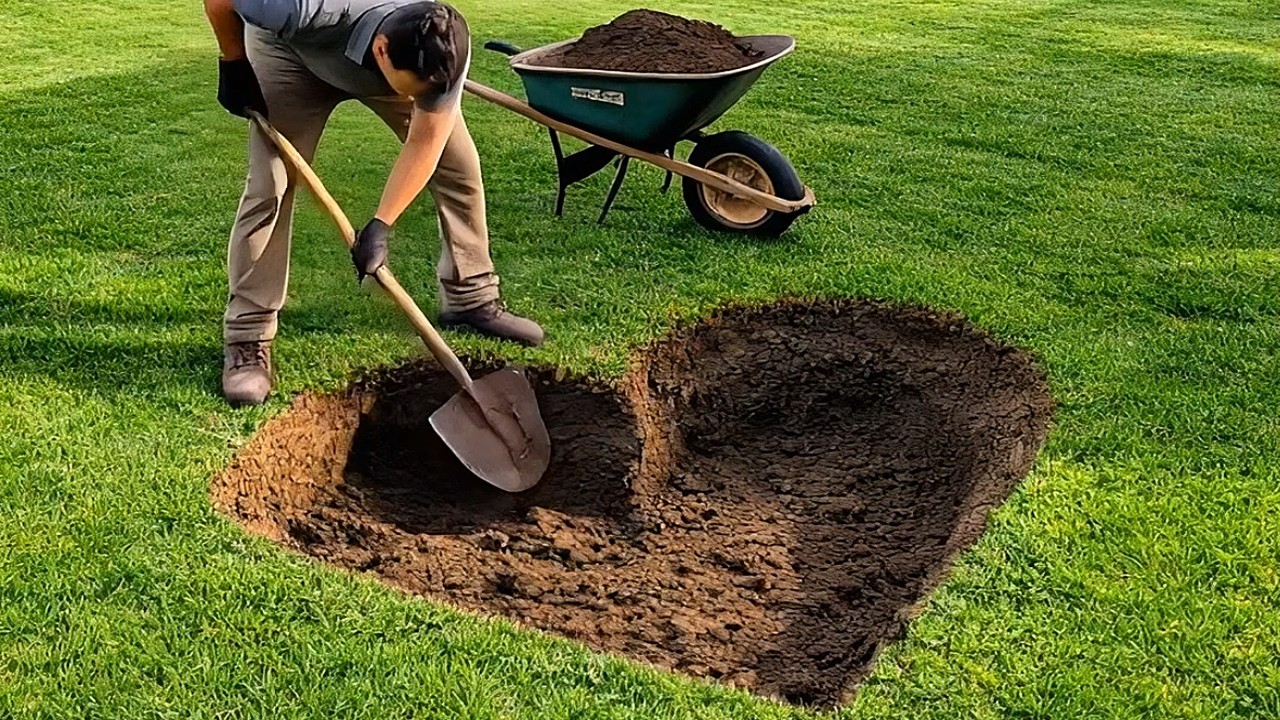
I have yet to see a stunning patio area endure bad drain. In Pasadena, a common spec is a compacted road base of 4 to 6 inches depending upon soil, with a 1 inch bed linen layer of sharp sand or similar for pavers. On clay pockets, utilize geotextile to support. On slopes or near patio areas that fulfill the house, control water with a 2 percent fall away from structures and prepare for location drains pipes or permeable joints where appropriate.
Retaining walls come into play on hillside lots or raised patios. Correct retaining wall installation in Pasadena CA starts with engineered footing measurements on taller walls, strengthened cores for block systems, geogrid, and weep management behind the wall. I have reconstructed too many bulged walls developed without drainage material or clean gravel backfill. Stone retaining walls by real experts in Pasadena LA mix function and type. Imaginative block retaining walls in Pasadena can look sharp with cap stones and a stucco finish that matches the home. If your patio area needs a small riser, the exact same rules use at a smaller scale. Invest the cash on the wall's bones, then have a good time with the face.
Crafting a layout that fits your life
Patio design is a workout in honest use. Start by positioning the huge pieces. If you desire a Pasadena outside kitchen with a 36 inch grill, sink, and undercounter storage, draw a rectangular shape at least 10 by 12 feet to handle cooking and circulation. Include space for a counter stool overhang or a landing space for platters. If a built‑in outdoor fireplace anchors a seating location, give it a minimum of 8 feet of clear space in front and a path of at least 3 feet behind chairs for blood circulation. Fire pit installation should have respect for wind and distance to plantings, as embers and hot covers need safe zones.
Shade in summer season is not a high-end. Work pergolas, umbrellas, or close-by trees into the strategy. Light pavers show heat and keep surfaces cooler, but shade and air flow are what make an outdoor patio comfortable from 1 pm to dusk. In Pasadena's west sun, a basic slatted screen or vine‑covered trellis can change a space.
I usage pattern and border to set zones. For example, a running bond field with a stacked soldier course around a dining location, then a shift to a tighter herringbone under the cooking area to improve chair stability. On stone, tighter joints and a subtle change in grout color can signify a shift from lounge to course without a hard edge.
Walkway installation is an opportunity to link whatever together. Stone walkways winding to a side gate do not have to match the patio area one to one, however they should share tone. Ridgeline Outdoor Living garden path concepts often consist of stepping pads embeded in groundcover, or a small texture shift for traction near pipe bibs. Small moves carry a great deal of weight when you live with them daily.
A practical website preparation and set up checklist
- Confirm residential or commercial property lines, utility places, and finish elevations at all doors, actions, and drains. Set slope at 2 percent minimum away from structures, with drain areas staked before excavation. Excavate to create depth, set up geotextile if soils require it, then compact base in lifts to 95 percent density. Dry lay a sample location and borders to lock in pattern, cuts, and joint width before setting the field. Sweep in polymeric sand, activate per manufacturer guidance, and schedule sealing after the surface is tidy and completely cured.
Real projects, real choices
A mother‑in‑law suite in Madison Heights needed a little patio that would not glare into the bedroom in the morning. We selected brick pavers in a warm enthusiast mix, laid in a basketweave that ran parallel to the French doors. The brick absorbed light, and the pattern softened the appearance. We added a short stone keeping action with a limestone cap to handle a 7 inch grade change. The outdoor patio has weathered 5 years with only one reset where a root raised a corner.
A mid‑century ranch near San Rafael had a tired concrete slab that telegraphed cracks under a thin overlay. The owners wanted a tidy, contemporary space with an outdoor kitchen area. We got rid of the piece, put a 6 inch compacted base, and installed large format concrete pavers in a staggered pattern aligned with the home's glazing. A permeable border along a planting bed catches overflow from watering and rain. The grill sits under a vented pergola to distribute heat. They entertain twenty without crowding.
A 1930s Spanish Revival north of Colorado Boulevard requested stone. The spending plan would not extend to full stone across the whole yard, so we targeted the main yard with irregular Arizona flagstone and utilized concrete pavers in a tumbled surface for the side path and service area. The mix looks intentional, and the clients put the savings into a tiled water function and landscape lighting.
Edges and transitions you will notice later
Edge restraint is not decorative. It keeps interlocking pavers from migrating under foot traffic. Concrete curbs, metal edging, or mortared soldier courses all work. On driveways, I favor concrete haunching under the edge course. On patios, a constant curb concealed under plantings provides a completed look without a visual line.
At door limits, flush shifts matter. Pasadena's older homes can have unequal sills. Set your last grade to enable a gentle 2 to 3 percent fall away from your house while keeping a minimal action at doors. In multi‑material styles, line up grout or sand joints throughout materials where they fulfill. You would be surprised how frequently this is missed.
For actions and seat walls, cap thickness and overhang must feel intentional, not like remaining stone. A 2 inch cap reads substantial and manages chair impacts. On put caps near fire features, select mixes that tolerate heat and do not spall.
Sealing, cleaning, and the long view
Every product gain from a strategy. Brick wants a breathable water repellent that does not trap moisture. Concrete pavers do well with permeating sealants that withstand oil, grease, and UV. Natural stone needs sealants matched to porosity, often in 2 coats. In high‑use zones like an outside kitchen area, intend on resealing every 2 to 3 years. In light traffic or shaded courtyards, 4 to 5 can work.
Pressure washers lure, however utilize a fan pointer, keep range, and prevent blasting joint sand. For persistent spots, utilize cleaners formulated for the product, not a generic acid. On projects with interlocking pavers, keep a few additional pieces from the original lot. If an area stains beyond rescue, swap in new pieces and the patio area keeps its integrity.
Long term expenses are truthful. Interlocking pavers have a greater initial ticket than a standard piece however a lower lifetime expense as you prevent crack repair work and slab replacement. Natural stone starts high and stays high in value if you select the best stone and keep it sealed. Brick beings in between, with a sweet spot on homes that prize heat and historical resonance.
Permits, codes, and choosing the right partner
Pasadena does not need a building permit for every outdoor patio, however walls above particular heights, gas lines for outside cooking areas, and connections to the storm system trigger review. Assessments exist to protect you. A reliable patio contractor will draw, submit, and coordinate without drama. For retaining wall installation in Pasadena CA, anything over a few feet must involve engineering. It is money well spent.
As you evaluate teams, try to find professionals who are comfortable with interlocking pavers and also at ease going over brick and natural stone pavers. The Ridgeline Outdoor Living paver installation experts, and other skilled firms in the area, will talk base depth, compaction numbers, jointing choices, and drain before they talk color. They will likewise ask about the method you captivate, where you keep cushions, and who may be pushing a stroller through the area. When a professional digs into those information, they are designing for the method you live, not simply the method a photo looks.
Pulling everything together for Pasadena homes
There is no universal best paver patio area. There is the very best match for your home, your light, and your practices. Brick pavers make sense when you want immediate warmth and a scale that fits vintage information. Concrete pavers make their keep with flexibility, resilience, and the capability to go permeable without appearing like a science task. Natural stone pavers bring unequaled character when you select the ideal stone and treat it correctly. All three ride well on a correctly built base, work with interlocking systems that handle our soils, and incorporate easily with stone walkways, retaining walls, and the functions that make outside areas a delight to use.
Think of your patio area as a small piece of craft. Select material for its performance and the way it talks with your home. Prepare for drainage like it is a style component, not an afterthought. Place your outside kitchen, fire pit installation, and seating with honest clearance and shade in mind. Deal with a patio contractor who can reveal you work within 5 miles of your home and discuss why each choice was made. When you do, your outdoor patio will custom landscape design Pasadena feel inevitable, like it always belonged in your Pasadena yard.

Business Name: Ridgeline Outdoor Living
Address: 845 E Walnut St, Pasadena, CA 91101, United States
Phone: (626) 469-5822
Ridgeline Outdoor Living
Ridgeline Outdoor Living is a Pasadena-based landscape design-build company serving Greater Los Angeles with custom outdoor living, hardscape, and drought-tolerant landscape solutions. The company specializes in patios, retaining walls, outdoor kitchens, drainage, hillside projects, and turnkey landscape construction, handling projects from design and permitting through final build and warranty.
845 E Walnut St, Pasadena, CA 91101, USA
Business Hours:
- Monday – Saturday: 8:00 AM – 6:00 PM
- Sunday: Closed
Follow Us: