Pasadena's backyards are not blank canvases. They feature sloped foothill lots, clay pockets that hold water in winter season, old-growth trees that shift roots and soil, and architectural styles that range from Artisan to Mid‑Century to Spanish Revival. An excellent patio contractor can set up pavers, however the ideal paver contractor checks out the land and the home initially, then shapes a patio installation or sidewalk that will still look crisp in 10 years. That is the bar Ridgeline Outdoor Living holds itself to in Pasadena and nearby LA County neighborhoods.
I have spent enough mornings viewing base rock enter, and enough late afternoons sweeping joint sand into interlocking pavers, to understand where projects go right and where they slip. The difference hardly ever shows up in the brochure shots. It shows in the base depth chosen for your soil, the compaction density achieved beneath the pattern you see, the way stormwater leaves the website without pooling versus a foundation, and how well the field team and designer talk to each other. Those information, and a couple of you do not immediately discover, are what set Ridgeline apart.
What Pasadena asks of your hardscape
Climate must be the first style partner. Pasadena sees hot, dry summertimes and moderate, periodically wet winter seasons. Usually, the area gets far less rain than lots of regions, but when storms roll through, they can show up in bursts. That combination worries hardscape in two methods. The sun fades and heats surface areas, then a winter season cloudburst discards water that needs to go somewhere. If your outdoor patio does not pitch at the ideal slope and your base does not drain pipes, the surface can heave, rattle, or stain.
Soil conditions make complex things further. Much of Pasadena rests on alluvium, with blended sands and silts, and in pockets, extensive clay. Clay swells when wet and diminishes when dry, which is why particular driveways and older sidewalks develop hairline fractures or a quilted appearance. Interlocking pavers respond to that movement much better than monolithic concrete, but only if the aggregate base, fabric, and edge restraints are spec 'd properly. A patio contractor who has actually worked these hills and flats will ask the right questions before any stone arrives on-site.
Architecture matters too. The very best paver patio styles for Pasadena homes regard period details and material hints. A 1920s Spanish Revival might require tumbled brick pavers or a textured concrete paver with a warm tone and a clay shoulder. A Mid‑Century ranch might sit more naturally beside large‑format concrete pavers set with tight joints and very little edge difficulty. Natural stone pavers, like limestone or porphyry, can be perfect in a contemporary garden, however their finish, thickness, and edge treatment need to echo the home's lines, not combat them.
An easy way to veterinarian a paver contractor
Here is a short, useful checklist I share with neighbors when they ask how to choose:
- Ask how they determine base depth, and listen for site‑specific answers, not a single number for every yard. Request compaction targets in composing. Excellent crews speak about lifts and 95 percent or better relative compaction. Have them discuss water management. You desire a clear prepare for slope, drains, and where runoff ends up. Look at crew connection. A stable lead and trained group beat a rotating cast of day labor every time. Review a service warranty that covers both labor and settling, with a service process you can understand.
Those 5 items expose how a company thinks. Ridgeline Outdoor Living paver installation experts will talk through each of them with drawings and details. You do not get an unclear guarantee, you get a method.
How Ridgeline approaches design and build
Projects begin with listening. For patio design Ridgeline Outdoor Living balances 3 frames: how you live, how the website behaves, and what your house suggests. If you state Sunday brunch and peaceful evenings reading outside, the design sets a bigger dining area and a smaller lounge nook near a garden wall. If you inform us you host big families, the strategy widens aisles from the grill to the table, opens sightlines, and hardens surfaces that see foot traffic.
From there, we record elevations and restrictions, then produce a scaled strategy with sections. It is not uncommon for us to modify slope lines on paper 2 or three times before anybody marks grade in your yard. In hillside pockets above Linda Vista or along Hill Opportunity where lots tilt, a one percent pitch might not suffice. We go for 1.5 to 2 percent on patio areas, 2 percent or more on sidewalks if surface texture enables, and we capture those choices before a crew mobilizes.
Permitting and compliance can be straightforward or fussy depending on scope. An easy walkway installation hardly ever needs more than a courtesy call. Retaining walls, particularly over specific heights, do. As a retaining wall contractor in Pasadena, we coordinate with the city when engineering is needed. For walls above the threshold where allows start, Ridgeline protects structural illustrations and, when needed, soils input to confirm bearing capability and drain information. Stone retaining walls experts in Pasadena LA County can not guess at geogrid lengths. We size them to wall height, surcharge, and backfill.
When building starts, sequencing matters. We set clear separations in between demo, excavation, base positioning, compaction, screed, paver set, cuts, edge restraint, plate compaction again, joint sand, and last washdown. For outdoor kitchens, gas and electrical runs get laid with enough cover and in sleeve avenues before any paver bed is screeded. On fireplace or fire pit installation, clearances and stimulate arrestors are not afterthoughts, they are baked into the layout and approvals.
The engineering under the beauty
Interlocking pavers work because they spread load through a well‑compacted aggregate base into the soil below. That system is flexible, however just if it is constructed with care. We normally run 4 to 6 inches of Class II or equivalent crushed aggregate under patio areas and pathways in steady soils, and 6 to 8 inches where clay exists or vehicles may occasionally cross. Each lift is compacted in 2 to 3 inch layers with plate compactors proper to the location. On tight Pasadena side backyards, we use smaller reversible plates so we do not destroy your garden beds just getting devices through.
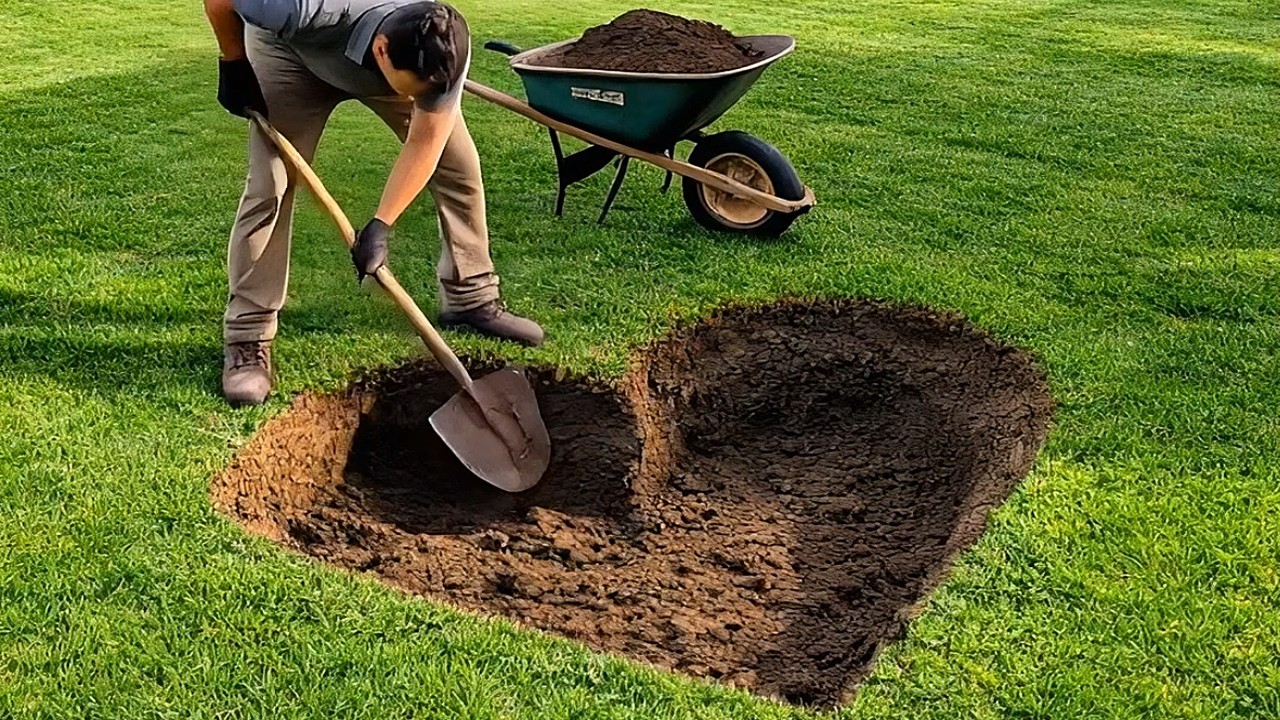
We include a woven geotextile material over native soil when we see clay, root zones, or evidence of previous settlement. Fabric does not change base, it keeps fine particles from moving up and turning your base into soup. Screed sand sits at 1 inch, not more, on outdoor patios. For swimming pool decks or locations with higher water exposure, we spec polymeric joint sand that locks up under wetness and cuts weed development. Edge restraints are spiked pin by pin through the base, not nailed into lightweight topsoil.
Drainage makes its own conversation. Pasadena's storms tend to be episodic, which suggests systems need to manage both drip and surge. We create patios to pitch water away from the home and towards drains pipes or landscape locations that can accept flow. We utilize channel drains at tight thresholds and along garage aprons. Under and behind retaining walls, we consist of perforated drain lines wrapped in material and bedded in clean gravel, with weep points at grade. For imaginative block retaining walls in Pasadena, we do not stop at quite deals with and cap stones. We construct the surprise side right so you never ever see bulges or salt blossoms years later.
Materials that fit Pasadena architecture and light
Choosing in between brick pavers, concrete pavers, and natural stone pavers is not about excellent, better, best. It has to do with performance, look, and budget.

Brick has a beauty that fits Craftsman and Spanish Revival homes. Real clay brick pavers handle heat well and age with character. Their downside is irregularity in size, which requires a knowledgeable setter for tight patterns. Concrete pavers come in a large range of tones and textures, from crisp large‑format pieces to tumbled cobbles. Their strength score is typically higher than poured concrete and they withstand breaking since of their interlock. Natural stone, whether limestone, granite, or porphyry, brings unique veining and a tactile surface you can not quite duplicate. It asks for cautious thickness control and a setter who understands how to read a pallet before dedicating to a run.
Color reads in a different way in Pasadena's off‑white sunlight than it does under a huge box store's LEDs. We bring samples outside, wet and dry, and set them beside your stucco or siding. What appears like warm gray in a brochure can go cool blue in morning shade. That is a surprise worth preventing before an entire driveway goes in.
Five of the very best paver patio designs for Pasadena homes
- Tumbled brick herringbone with a soldier course border that nods to Artisan bungalows. Large format concrete pavers in a balanced out grid, spaced tight, for Mid‑Century and contemporary homes. Textured concrete cobbles in a random running bond that soften Spanish Revival courtyards. Natural stone pavers, like limestone or porphyry, with split edges for a timeless garden terrace. Mixed product patios that pair smooth concrete pavers with a brick or stone ribbon to bridge eras.
Each of these styles withstands our climate, and each can be tuned with border options, banding, and joint sands to move somewhat more standard or a little more modern. The trick is not to overcomplicate the field pattern. A single rhythm with a strong border often beats a dozen completing accents.
Walkway setup and garden paths that welcome a stroll
A walkway need to mean where it is going long before your foot hits the very first stone. In Pasadena's gardens, stone walkways that curve around established oaks or camellia beds feel right, as long hardscaping guide as the curve radius enables a tidy paver cut and the pitch remains constant. Straight side backyard paths that shuttle bins to the curb benefit from a broom‑finished concrete paver with sufficient tooth to be safe when damp, and broad enough for a garden enthusiast's cart to pass without snagging elbows on fences.
Ridgeling outdoor living garden pathway concepts sometimes utilize mixed elements. You can float large 24 by 24 concrete pavers in a bed of 3/8 inch gravel, which drains pipes well and separates long runs visually. Or you can run a brick header on both sides of a decayed granite course to keep fines in location and to set a crisp edge where plants spill. Where roots have already heaved ground by an inch or more, we may bridge with a slightly much deeper base and a geogrid turnout, or we merely shift the path to safeguard the tree and the hardscape both. There is no merit badge for straight lines if they develop headaches.
Lighting becomes part of walkway installation that lots of homeowners deal with as an afterthought. In reality, soft course lights at low wattage not just make a garden safe in the evening, they likewise minimize the temptation to over‑light an outdoor patio. Well‑placed low‑voltage components put light on the surface area where feet fall and leave the rest of the garden in layers of gentle shadow.
Outdoor cooking areas, fireplaces, and the method individuals gather
Pasadena outdoor kitchen concepts have shifted in the last few years. Individuals want compact, effective runs more than sprawling island behemoths. A 7 to 10 foot straight run with a grill, a small fridge, a drawer stack, and a bit of landing area typically does more work than a twelve‑foot L that requires a cook to pivot two ways. We set home appliance openings after templating, not by determining boxes. Absolutely nothing ruins a set up like finding a refrigerator requires an extra half inch of airflow on a hot July afternoon.
For an outdoor fireplace or fire pit installation, code clearances and wind patterns matter. If your lot captures a Santa Ana gust, a linear fire function might need wind baffles or a shift in orientation. If a wood‑burning fireplace sits near a next-door neighbor's openable windows, spark arrestor details and chimney height save arguments later. Gas lines run under pavers in sleeve conduits so future service does not require tearing up an outdoor patio. Those are small choices that keep a lawn functional for years.
Surfaces near flames deal with heat differently. Natural stone differs hugely. Some limestones might spall under extreme heat. Concrete pavers typically take radiant warmth well, specifically at a little offset from the burn zone. Brick stands very well. We talk through those trade‑offs before you commit to a material right in front of a burner.
Retaining walls provided for keeps
Retaining walls look easy once the cap is glued on. The work you never see is the work that keeps them directly. For retaining wall installation in Pasadena CA, our specifications change with wall height, soil, surcharge, and drain. Listed below roughly four feet, lots of modular block walls can be built without engineering if they have proper step‑backs, base preparation, and drain rock. Above that limit, or where driveways bear on top, we bring an engineer into the conversation. It is not just about liability. It has to do with longevity.
With creative block retaining walls Pasadena tasks frequently use textured face systems that simulate split stone. We pick blocks with a color blend that does not yell synthetic, and we differ courses to prevent repeating patterns. Where a more natural look is right, stone retaining walls experts in Pasadena LA lean on thicker base courses, accurate batter, and drain rock that lets water move. Mortared stone walls are gorgeous however need weep information or they will stain and press in time. Dry‑stack systems with covert geogrid can look old‑world without the headache.
Backfill matters as much as the wall. Clean, angular drain rock directly behind the wall lets water go where the pipe invites it. Native soil returns farther back. Geogrid layers tie the wall into the hill, and lengths are selected to suit the load, not to save 5 minutes of digging. If a stair cuts through a wall, tread depth and riser height respect code and human comfort both. Unsteady rhythm on stairs is not simply irritating, it is unsafe.
Two pictures from current yards
A Craftsman on a peaceful Pasadena street had a tired concrete pad, sloped at less than 1 percent toward the house. After a winter season storm, water sneaked under the limit and raised the floor inside. The owner desired brick, however anxious about maintenance and root heave from a neighboring camphor tree. We eliminated the pad, excavated to 7 inches, set up a woven fabric, then placed 6 inches of base in 2 lifts compacted to 95 percent or much better. The patio was set in clay brick pavers in a herringbone field with a soldier course border to match the home's original pathway. We shifted the patio by 18 inches to clear the tree's main feeder roots and set a slot drain along the limit connected into a daytime outlet by the side yard. Two seasons on, the brick has actually settled a little 1/16 inch in one corner, within regular tolerance, and the threshold has remained dry.
In the hills north of the 210, a household desired a multi‑level balcony for dining and a small play nook. The lot dropped 4.5 feet across 30 feet. We utilized two 30 inch terraced retaining walls with modular block, color blend chosen to play well with their stucco. Engineering required geogrid at 4 and 8 feet back, in rotating layers. Actions ran between walls with 12 inch treads and 6.5 inch risers, comfortable for small legs and grandparents. The paver surface was a large‑format concrete unit, light enough to remain cool underfoot. A channel drain split the upper patio, taking stormwater to a drywell set 12 feet off. This was not the most inexpensive way to build it, however the family now utilizes that yard every day after school.
Budget, timeline, and the truthful conversation
Every project lives at the crossway of what you desire, what the site requests for, and what the budget can bring. Brick and basic concrete pavers generally price in a comparable band per square foot set up, with natural stone pavers higher due to product and labor. Balconies with retaining walls include cost, especially once engineering and geogrid go into the photo. Outside kitchen areas vary extensively depending on appliance choices. A clever method to stretch dollars is to stage: get base, borders, and primary patio area field done now, then add a 2nd path or a fire function next season without renovating work.
Timelines are best measured in weeks, not days. A straightforward 400 square foot outdoor patio may run one to 2 weeks, consisting of demonstration, base, set, and surface. Add an outdoor fireplace and a short wall, and you can push to three or 4 weeks due to assessments, curing for certain aspects, and coordination with trades. We construct slack into schedules to deal with surprises like surprise irrigation lines or an unmarked drain.
Maintenance and what an excellent warranty in fact means
Interlocking pavers, brick pavers, and natural stone pavers all take advantage of basic, regular care. Sweep grit before it grinds into surface areas. Rinse as needed. Use moderate cleaners appropriate to the product. Polymeric sand joints resist weeds and ants well, but any system can pick up windblown seeds. A seasonal touch‑up keeps joints tight. Sealants are optional and material dependent. Some concrete pavers get a sealant to deepen color or cut staining under grills. Numerous natural stones choose to breathe.
A service warranty ought to be more than a line on a proposition. Ridgeline supports labor and will go back to deal with settling within a defined window. Manufacturers frequently service warranty the pavers themselves versus structural failure. Keep those documents together. If you require us, you will not have to hunt. You will currently have the service path.
Why Ridgeline Outdoor Living stands out in Pasadena
It is appealing to say craft and call it a day. However here is how that appears in such a way you can measure. We spec base depth to soil and usage compaction targets by the https://pastelink.net/29h7y402 numbers. We design water, not just hope it disappears. We collaborate early with city requirements for retaining wall installation in Pasadena CA, instead of scrambling later on. Our teams are trained to cut pavers with clean, registered edges that do not feather. We secure plants throughout construction, and we communicate when the travel plan shifts.
Design is not a bolt‑on service. It copes with the construct from the very first sketch to the final sweep. The very same group that draws your patio walks the site with the team lead. Field keeps in mind circulation both methods. If the soil under a prepared sidewalk looks looser than expected, we adjust base or material and tell you why. If you are deciding between brick and concrete, we pull samples on your site, not in a display room. And if you select us for a little path or a huge terrace, the procedure and pride do not change.
We likewise stay present. Products evolve. Joint sands improve. Edge restraints get smarter. New textures arrive that better mimic quarried stone without the expense. We test them, we reject what does not hold up, and we keep what does. That is not fancy, but it pays dividends when your patio still looks tight long after the neighbors' poured concrete has actually cracked.
If you are ready to check out, you can start with a sketch and a discussion. Walk your lawn at the time of day you anticipate to use it. Notification sun courses and shade. Consider how many chairs sit at your table and whether you want space to pull them all back comfortably. Bring that to us, and we will bring practical options, not just quite pictures. Choosing a paver contractor in Pasadena has to do with trust backed by noticeable technique. That is where Ridgeline Outdoor Living does its best work.
Business Name: Ridgeline Outdoor Living
Address: 845 E Walnut St, Pasadena, CA 91101, United States
Phone: (626) 469-5822
Ridgeline Outdoor Living
Ridgeline Outdoor Living is a Pasadena-based landscape design-build company serving Greater Los Angeles with custom outdoor living, hardscape, and drought-tolerant landscape solutions. The company specializes in patios, retaining walls, outdoor kitchens, drainage, hillside projects, and turnkey landscape construction, handling projects from design and permitting through final build and warranty.
845 E Walnut St, Pasadena, CA 91101, USA
Business Hours:
- Monday – Saturday: 8:00 AM – 6:00 PM
- Sunday: Closed
Follow Us: